










/ month


/ month


/ month
quarterly commitment
A better way to hire a telecom designer now




4,000+ companies onboard
































Why awesomic





0.82% talent





One subscription and your hiring problems solved


We accept just 0.82% of telecom designers




FAQ


How quickly can I start working with a telecom designer?
You can start working with a telecom designer within 24 hours. Just subscribe to a plan, submit your project, and get matched with a vetted expert. Expect daily updates and fast deliverables, ensuring your telecom design needs are met without delay.
Can I hire a telecom designer for short-term or one-off projects?
Yes, you can hire telecom designers for short-term or one-off projects through Awesomic’s subscription service. Get matched with vetted experts in as little as 24 hours, enjoy unlimited revisions, and scale your design needs without long-term commitments or hiring delays.
Are telecom designers experienced in startups, SaaS, or enterprise teams?
Yes, our telecom designers have 7 to 15+ years of experience working with startups, SaaS, and enterprise teams. They’ve handled high-impact projects, delivering UI/UX, branding, and product design using tools like Webflow and Framer, ensuring fast turnaround and top quality results.
Can I switch designers if my needs change?
Yes, you can switch telecom designers anytime without extra cost. Our subscription model offers flexible talent rematch based on your evolving project scope and skillset needs. You get daily updates, unlimited revisions, and expert support using telecom network design software for precise outcomes.
What does “top 1% telecom designers” actually mean?
It means these telecom designers are in the top 0.82% of talent, passing strict vetting including portfolio review, multi-step skill tasks, and senior community approval. They deliver fast, high-quality telecom UX design with daily updates and unlimited revisions, ensuring top outcomes.
How many revisions are included?
With Awesomic, every subscription with a telecom designer includes unlimited revisions. You get daily updates and can request as many iterations as needed until the project is exactly right. If needed, switch your telecom designer at no extra cost anytime.
Is this cheaper than hiring a full-time telecom designer?
Yes. Our subscription costs as low as $500 per month, giving you access to vetted telecom designers without the extra overhead of full-time salaries, benefits, or management. You get faster turnaround, unlimited revisions, and expert results without hiring delays or hidden fees.
Can I pause or cancel my telecom designer subscription at any time?
Yes, you can pause or cancel your telecom design company subscription anytime without hassle. There’s no long-term commitment, hidden fees, or penalties. Flexible plans let you scale down or stop instantly, ensuring you only pay for what you need while accessing vetted pros whenever required.
Do telecom designers work in my time zone?
Yes, our telecom designers work globally and adapt to your schedule. Using telecom network design software, they deliver updates daily and offer unlimited revisions. Start in as little as 24 hours, with seamless communication via Slack, email, or video calls.
Can I work with the same telecom designer long-term?
Yes, you can. Our service matches you with vetted telecom designers who deliver results fast, with daily updates and unlimited revisions. Choose a 1 to 1 plan for a dedicated telecom designer working part-time on your projects, ensuring consistent quality and seamless telecom UX design.

Related roles you may need




Hiring guide:


What does a telecom designer actually do?
If you’ve ever wondered what a telecom designer really does, you’re not alone. Think of this role as a specialist who plans, designs, and optimizes telecommunications systems and networks. The goal? To meet your business needs and technical requirements while making sure everything runs smoothly.
At the core, a telecom designer’s day-to-day work involves tasks like site surveys and analysis to understand physical environments. They design network architectures and plan capacity, ensuring the system can handle traffic without hiccups. Part of their job includes specifying equipment and integrating hardware with software components so everything talks seamlessly. They’re also experts in compliance, following standards set by big industry players like ITU, IEEE, and 3GPP. On top of that, they analyze how signals propagate through different environments and troubleshoot issues when things don’t work as expected.
Usually, they’re found working side-by-side with network engineers, project managers, system integrators, and the client throughout all project phases—from planning to implementation and ongoing maintenance. This teamwork is key to successful telecom projects.
If you’re looking to hire a telecom designer, you should know that our platform, Awesomic, can help you find vetted professionals quickly. With our subscription model, you get experts familiar with industry standards and telecom network design software without long recruitment delays. This way, your project gets moving faster with the right skills on board.
When do you need to hire a telecom designer?
Knowing when to hire a telecom designer can save your business time and money. Here are some common scenarios where bringing a specialist on board becomes essential:
- Launching a new telecom infrastructure, like building from scratch.
- Expanding existing networks to cover more users or new areas.
- Upgrading legacy systems to next-gen tech such as 5G or fiber optics.
- Integrating new communication platforms like VoIP or SD-WAN.
You might find yourself in business stages that demand these hires too. For example, startups needing a solid network buildout, companies scaling up their capacity, or organizations undergoing digital transformation projects to modernize telecom solutions.
Sometimes, warning signs tell you when to act. Repeated network failures, poor service coverage, inability to meet compliance standards, security risks, or inefficiencies in cost and performance all suggest it’s time. Plus, if your in-house team lacks the technical expertise, that’s a good signal to hire a telecom designer.
Using a telecom design company can feel like a hassle, but with Awesomic, you get easy onboarding to skilled telecom designers or multidisciplinary pros. Our flexible subscription plans adapt with your project needs, so you avoid the drag of slow traditional hiring.
What skills should a great telecom designer have?
Understanding the skills a top telecom designer needs helps you pick the best match. Let’s break down the essentials into hard skills and soft skills.
Hard skills include:
- RF engineering and fiber optics know-how.
- Network protocols expertise like MPLS, BGP, and SIP.
- Mastery of telecom standards such as LTE, 5G NR, and DOCSIS.
- Proficiency in CAD tools for network layouts, think AutoCAD or Visio.
- Experience with simulation and modeling software like iBwave, Atoll, and Ekahau.
- Solid grasp of cybersecurity principles to keep networks safe.
Soft skills to look for are:
- Problem-solving and analytical thinking.
- Clear communication and teamwork.
- Adaptability to changing tech or requirements.
- Project management abilities to keep timelines on track.
Besides these, familiarity with frameworks like ITIL for service management and Agile methodologies for flexible project delivery is a plus. Also, knowledge of regulatory bodies such as FCC or Ofcom helps in staying compliant.
Look out for telecom UX design expertise too—it ensures the network or product offers a great user experience, not just technical performance.
Tools they should know include network design suites like NetCracker or OPNET, plus collaboration platforms such as Jira and Confluence, and reporting software for thorough documentation.
The advantage of choosing telecom designers from our platform Awesomic is that we vet talent carefully. This means not only technical skills but also communication and collaboration strengths, so your new team member fits right in.
What types of telecom designers can you hire?
When it comes to hiring a telecom designer, you have options. Each comes with pros and cons, so let’s explore the main types:
- Freelancers: Flexible and usually cost-effective. Great if you need short-term help, but their availability can vary.
- In-house designers: Dedicated and fully integrated with your team. They understand company culture well but come with higher costs.
- Agencies: Offer broad expertise and multiple resources, often handling complex projects. Their services are typically more expensive.
- Contract-based consultants: These bring specialized skills for limited periods. They balance flexibility and expert-level input.
Choosing the right option depends on your project's size, scope, confidentiality needs, and how much control you want over design processes. For example, a startup might start with freelancers for quick results, while a large company might prefer in-house designers or agencies for ongoing support.
Our platform, Awesomic, offers a hybrid solution. We connect you with vetted experts on a subscription basis, blending freelancers’ flexibility with in-house reliability. This setup simplifies management, keeps costs predictable, and scales with your project.
How much does it cost to hire a telecom designer?
Budgeting for a telecom designer doesn’t have to be confusing. Here’s a quick guide to typical pricing models and factors that influence costs:
| Hiring model | Typical rates | Remarks |
|---|---|---|
| Freelancers | $50 - $150 per hour | Great for short-term or small projects |
| Agencies | $100 - $250 per hour | Wide expertise but pricier |
| In-house salaries | $70,000 - $130,000 annually | Dedicated resource with benefits |
| Consultants | $150 - $300 per hour | Specialized skills, limited time |
Several factors affect these numbers:
- Complexity of your project.
- Tech stack involved.
- Required certifications.
- Urgency of timelines.
- Geographic market you operate in.
Don’t forget hidden costs like onboarding, revisions, and ongoing maintenance, which often add up.
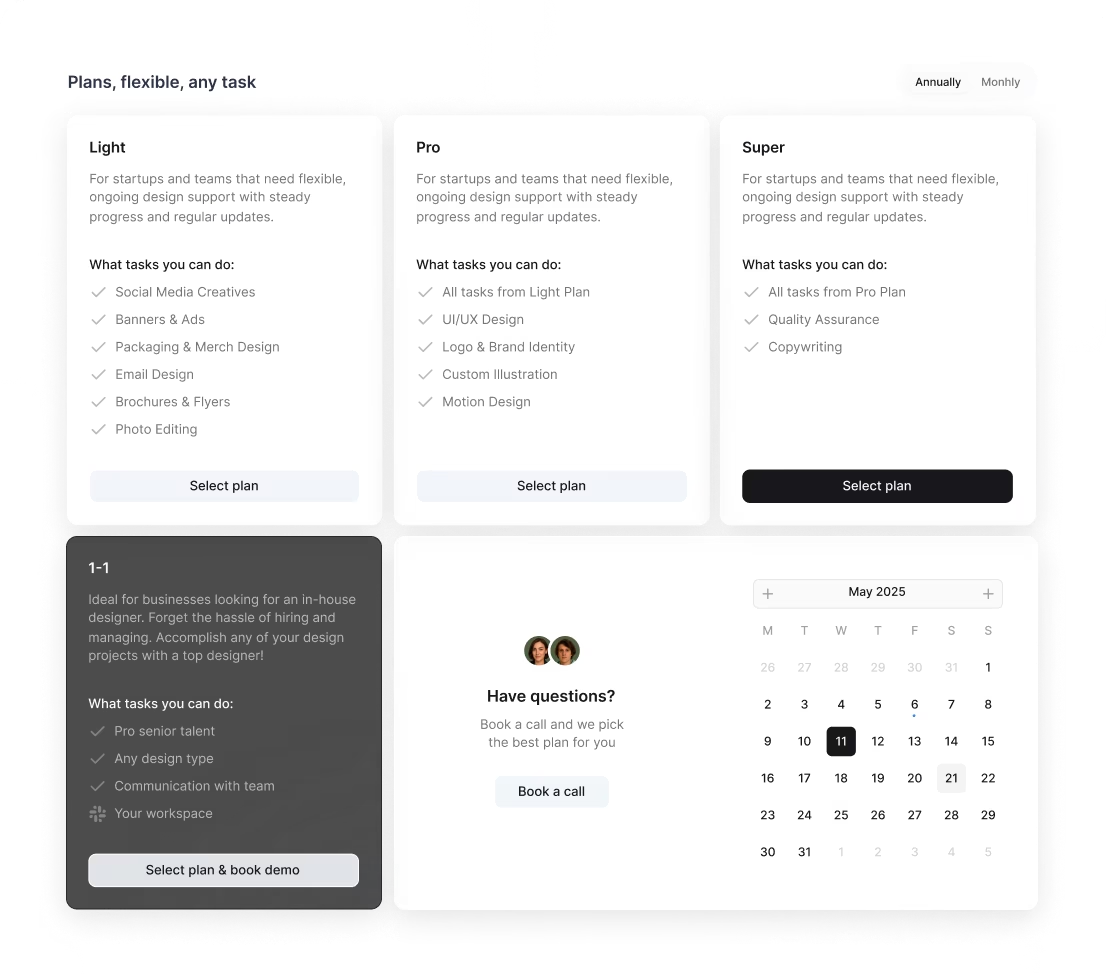
If you want a simpler, more predictable way, our Awesomic subscription plans could work well. Starting with the All-in-One at $2,995/month for a flexible part-time team covering all design, Webflow, copywriting, QA, and marketing, or the 1–1 Plan with a dedicated full-time specialist plus PM from around $5k/month, and even Awesomic Studio offering AI landing pages from $500, you get professional telecom designers without managing recruitment or extra fees. Plus, you benefit from unlimited revisions and daily updates, helping you avoid surprising expenses.
Where can you find the right telecom designer?
Finding the right telecom designer can feel like searching for a needle in a haystack. Luckily, there are some tried-and-true places to look:
- Specialized freelance platforms like Upwork, Toptal, and Gigster.
- Professional networks such as LinkedIn and niche telecom job boards like TelecomCareers or Dice.
- Associations like the IEEE Communications Society or SCTE.
- Industry forums and communities on Reddit or Stack Exchange.
- Recommendations from your trusted business network.
- Telecom consulting agencies.
- Technical events and conferences like Mobile World Congress or IEEE Globecom.
Beyond posting ads, try passive sourcing strategies—reach out directly on LinkedIn or attend meetups to connect with talent.
If you prefer to save time and headaches, our platform Awesomic is a solid choice. You’ll get matched within 24 hours with pre-vetted experts who have real telecom design experience. This cuts down the sourcing effort and ensures you work with professionals meeting high standards.
How do you evaluate a telecom designer’s portfolio?
When reviewing a telecom designer’s portfolio, it pays to look deeper than just shiny visuals. Here’s what really matters:
- Evidence of problem-solving: case studies showing challenges and smart solutions.
- Clear descriptions of design approaches and technologies used.
- Measurable results such as better network uptime, cost reductions, or improved coverage.
- Proof of compliance with industry standards.
- Technical depth and creativity across different environments—urban, rural, indoor, outdoor.
- Client testimonials and certifications.
- Use of telecom network design software tools and adherence to methodologies or best practices.
A well-presented portfolio tells a story about how the designer works, not just what they did.
Our platform Awesomic makes this easier by showcasing detailed project histories and client feedback. It helps you gauge both technical skills and cultural fit before committing. If needed, you can switch talents smoothly to get the perfect match for your project.
What questions should you ask before hiring?
Choosing the right telecom designer comes down to asking the right questions. Here are some to guide your interview:
- Can you describe a complex telecom network design project you led and the key challenges?
- How do you approach site surveys and signal propagation modeling?
- Which telecom standards and protocols are you most familiar with?
- How do you stay current with emerging telecom technologies?
- What is your experience with tools like AutoCAD, iBwave, or Atoll?
- How do you manage project timelines and communicate with stakeholders?
- Can you give an example of troubleshooting a network failure?
- How do you ensure regulatory compliance?
Don’t forget behavioral questions to assess teamwork, conflict resolution, and adaptability.
While Awesomic’s subscription service vets talents through portfolios and test tasks, these questions help confirm a good fit during your personalized interviews.
How do you work successfully with a telecom designer?
Working well with a telecom designer boils down to strong communication and organization. Here’s how to get started:
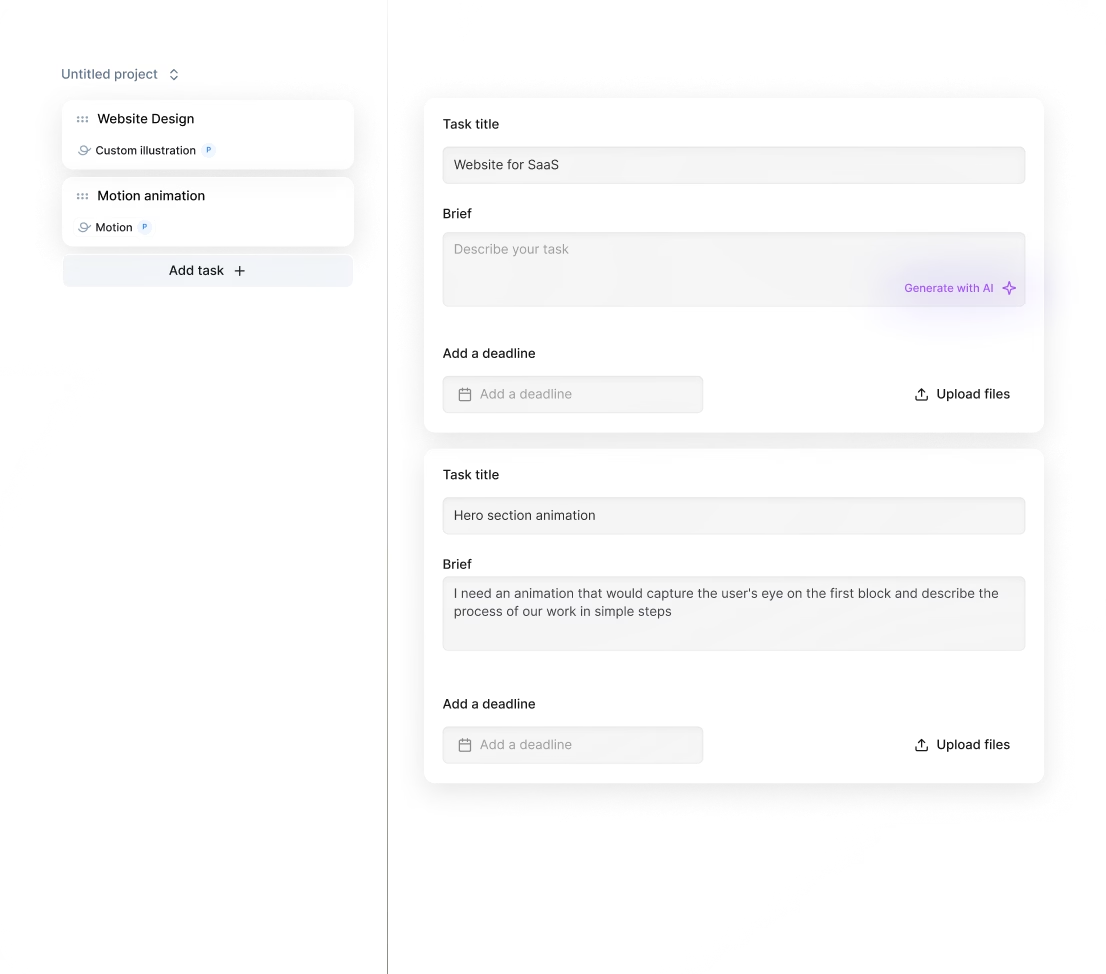
- Provide clear project briefs and access to all existing documentation.
- Define scope and goals upfront.
- Set regular feedback loops with structured check-ins or Agile standups.
- Use collaborative tools like Jira, Slack, or MS Teams for smooth communication.
- Establish realistic timelines with milestones and buffer time.
- Clarify roles, responsibilities, communication protocols, and confidentiality agreements.
- Align expectations on design standards, documentation, and revision processes.
- Treat the designer as a partner, not just a contractor.
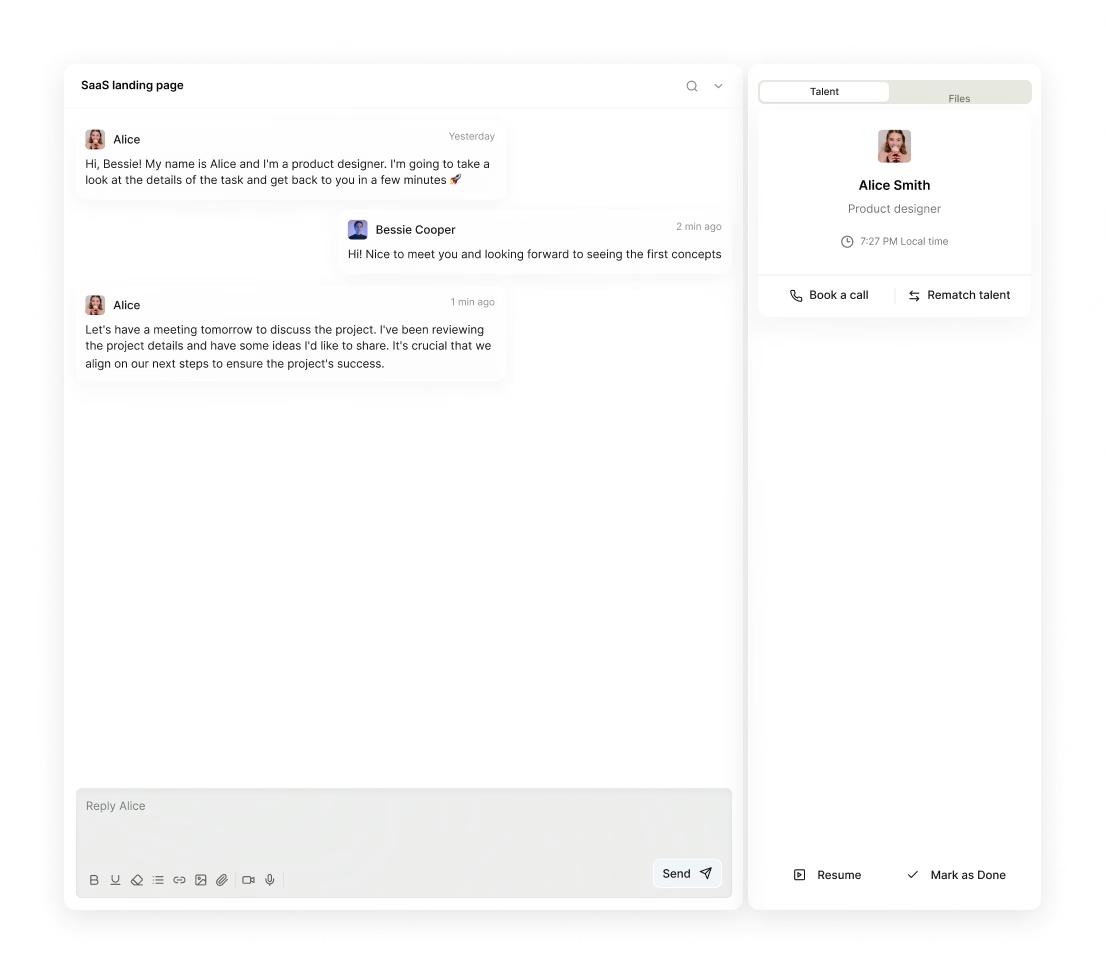
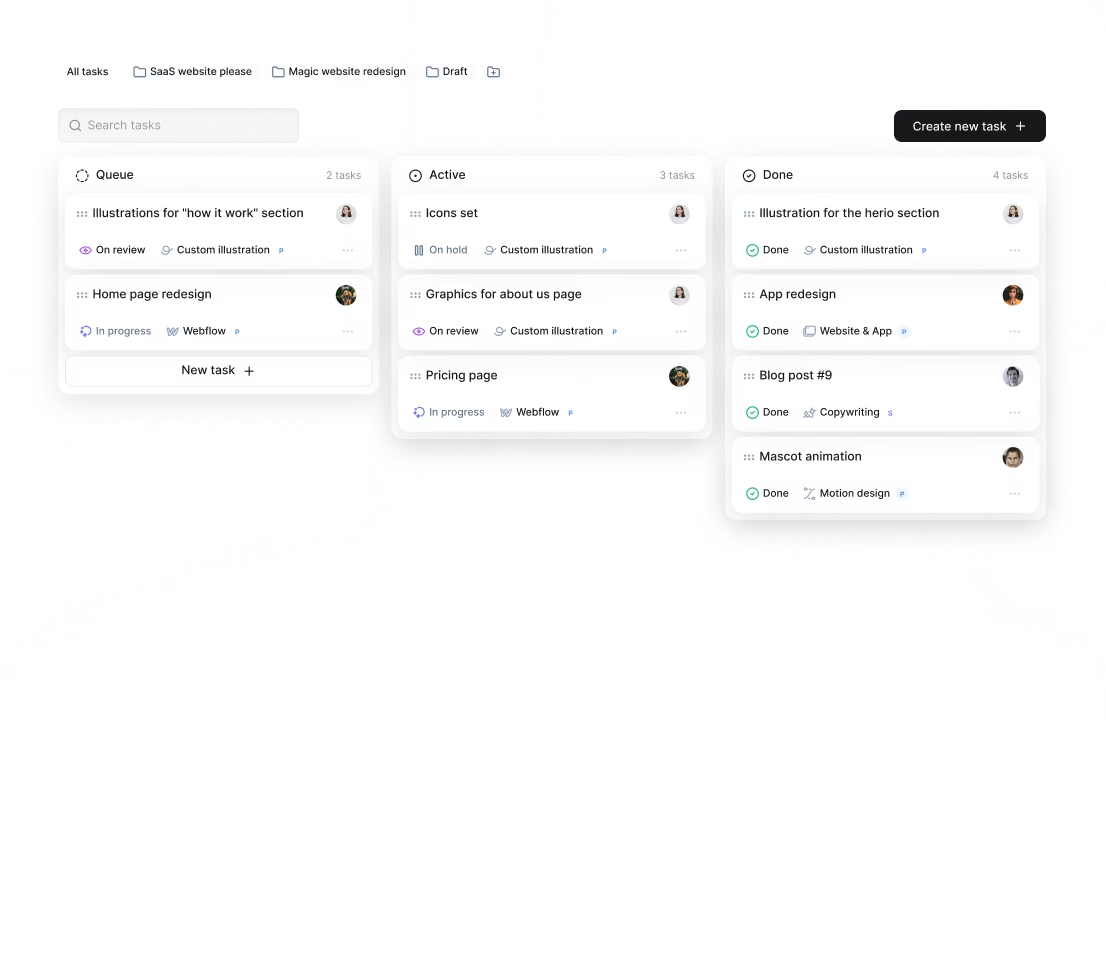
Our platform Awesomic supports these workflows by integrating communication channels, delivering daily updates, and managing task queues. This keeps your project aligned and efficient.
How do you know you hired the right telecom designer?
Knowing you hired the right telecom designer comes down to tracking clear success indicators:
- On-time delivery of designs or project milestones.
- Staying within budget.
- Improvements in network performance—like reduced downtime or better throughput.
- Positive changes in user experience metrics.
- Compliance with required standards and regulations.
Also, gather feedback from internal teams and end-users about usability and ongoing support.
Keep an eye on adaptability—can your designer handle changes or scale solutions as your needs evolve?
If you ever need to adjust the relationship, scale resources, or bring in extra expertise, doing so early improves outcomes. Our telecom design agency platform Awesomic helps you monitor progress through regular touchpoints, makes swapping talents easy if needed, and keeps everything transparent, all without the overhead of traditional hiring.
This guide should help you confidently hire a telecom designer who fits your needs, budget, and timeline. Whether you use our platform Awesomic or explore other routes, remember to focus on expertise, communication, and practical results. You’ll be well on your way to building a telecom network that truly works for you.


