










/ month


/ month


/ month
quarterly commitment
The easiest way to hire a defense tech designer and start tomorrow




4,000+ companies already onboard.
































Why awesomic





0.82% talent





One subscription and your hiring problems solved


We handpick the top 0.82% of defense tech designers.




FAQ


How quickly can I start working with a defense tech designer?
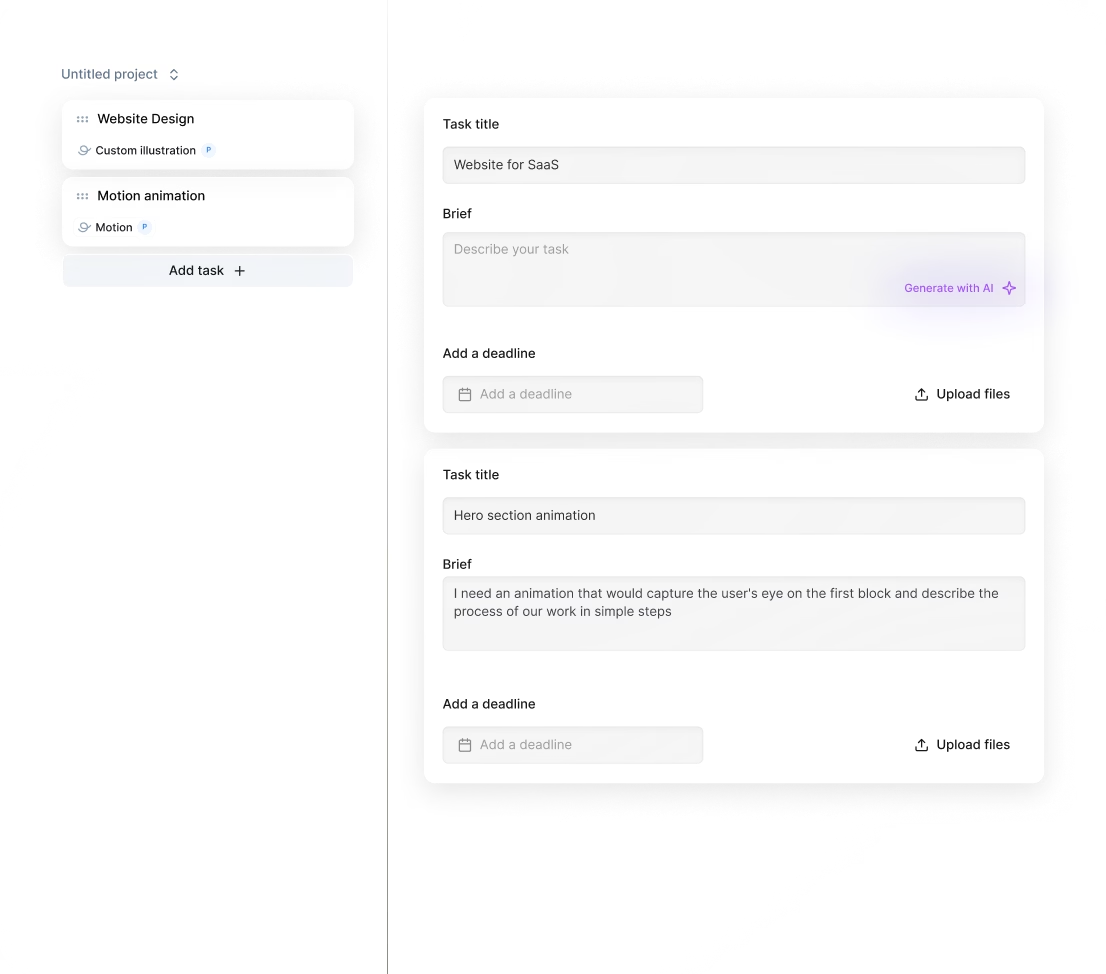
You can start working with a defense tech designer in as little as 24 hours. Once you subscribe, submit your project details, and get matched with vetted experts skilled in key defense tech tools and frameworks. Daily updates and unlimited revisions keep your project on track.
Can I hire a defense tech designer for short-term or one-off projects?
Yes, you can hire defense tech designers for short-term or one-off projects through Awesomic. Our subscription service matches you to vetted, senior-level talent within 24 hours, delivering high-quality design, prototyping, and branding with unlimited revisions and daily updates.
Are defense tech designers experienced in startups, SaaS, or enterprise teams?
Yes. Defense tech designers on Awesomic bring over 7 to 15 years of experience working with startups, SaaS, FinTech, AI, healthcare, and enterprise clients. They deliver fast, high-quality UI/UX, branding, and product design, ensuring daily updates and unlimited revisions.
Can I switch defense tech designers if my needs change?
Absolutely. You can request a talent rematch at any time, no extra cost. Our vetted defense tech designers offer unlimited revisions and daily updates, ensuring you get the right fit and outcomes as your project evolves. Switch quickly and hassle-free.
What does “top 1% defense tech designers” actually mean?
Top 1% defense tech designers are the elite few vetted through a strict four-step process: portfolio screening, a multi-step skill test, community review, and final leadership approval. Only 0.82% pass, ensuring you get highly skilled pros trusted by top defense tech companies.
How many revisions are included?
Every subscription for a defense tech designer includes unlimited revisions. You get daily progress updates and can request changes as often as needed until the work meets your standards. If needed, you can switch your defense tech designer at no extra cost.
Is this cheaper than hiring a full-time defense tech designer?
Yes. With Awesomic, get vetted defense tech designers on a subscription starting at $500/month, delivering tasks daily with unlimited revisions. This cuts hiring time from 4-8 weeks to 24 hours, slashes overhead, and avoids management hassles, perfect for a defense tech company.
Can I pause or cancel my defense tech designer subscription at any time?
Yes, you can pause or cancel your defense tech designer subscription anytime. No long-term contracts or hidden fees. Enjoy full flexibility while accessing vetted professionals ready to deliver daily updates and unlimited revisions on your projects.
Do defense tech designers work in my time zone?
Yes, defense tech designers work across multiple time zones worldwide. We ensure your projects start within 24 hours, with daily updates via Slack or email. This global reach means you get timely results, smooth communication, and fast iterations tailored to your schedule.
Can I work with the same defense tech designer long-term?
Yes. With Awesomic’s subscription model, you get matched to top defense tech designers vetted for skills and commitment. Stay with your dedicated expert full-time to deliver fast, high-quality results for your defense tech company. Switch or scale anytime—no hassle, no delays.

Related roles you may need




Hiring guide:


What does a defense tech designer actually do?
If you’re new to this, you might wonder what a defense tech designer really does. Simply put, a defense tech designer is a specialist who builds user-centered designs for defense-related technologies. Their job is to make sure systems are easy to use, functional, and secure, even in complex and critical environments.
Think of them as the bridge between engineers and product managers. They turn tough technical stuff into smooth, intuitive experiences. You’ll find them creating human-machine interfaces (HMIs), prototyping software systems, and mapping out user experience (UX) workflows for tactical apps. They work closely with engineers, project managers, and defense strategists from day one, helping shape the product with a clear focus on the user—often military personnel or defense analysts.
This isn’t just about looks. Defense tech designers dive deep into early research, follow strict defense standards like MIL-STD, and conduct usability tests to ensure the product ticks all boxes. Their role fits snugly between technical teams and product managers, translating complex constraints into user-friendly designs.
If you’re looking to hire a defense tech designer, one smart way is through Awesomic. Our platform gives you access to vetted, senior-level UX/UI designers skilled at creating defense tech solutions efficiently. Plus, our subscription model lets you onboard experienced designers fast, without the hassle of traditional hiring. This makes navigating those technical and security challenges smoother for defense tech companies.
When do you need to hire a defense tech designer?
Knowing when to hire a defense tech designer can save you time, money, and headaches. Here are some common situations that signal it’s time:
- Launching a new defense technology product
- Upgrading outdated systems to improve ease of use for operators
- Fixing repeated user errors or inefficiencies found during field tests
- Entering new defense markets requiring special compliance or UX knowledge
More broadly, you’ll want a defense tech designer at key business stages like product inception, prototyping, pre-deployment testing, or preparing for government contracts. If your team faces rising user complaints about complicated interfaces, project delays from poor user feedback integration, or no one dedicated to balancing tech with user-friendly design, it’s a clear sign you should hire a defense tech designer.
Here are five warning signs to watch out for:
- Increased user errors during equipment operation
- Confusing or frustrating user interfaces
- Delays caused by integrating user feedback late
- Security or compliance oversights impacting usability
- Lack of a professional to guide user-centered design efforts
What if timing feels tricky? Awesomic’s flexible subscription plans make it easy for defense tech companies to start working with vetted designers immediately once usability or compliance issues pop up. This way, hiring happens strategically, avoiding long delays or costly missteps.
What skills should a great defense tech designer have?
Finding the right defense tech designer means checking for a blend of technical skills, soft skills, and industry knowledge. Here’s what you should look for:
Hard skills:
- Mastery of UX/UI design tools like Figma, Sketch, Adobe XD
- Experience with prototyping software such as Axure RP or InVision
- Understanding defense software development lifecycles and standards like DoD Architecture Framework, MIL-STD-1472 (human engineering)
- Strong skills in wireframing, user journey mapping, and human factors engineering
Soft skills:
- Excellent communication and collaboration with cross-functional teams
- Problem-solving mindset, quick thinking under pressure
- Adaptability to shifting defense project needs
- Meticulous attention to detail, especially for security and compliance
Industry knowledge:
- Familiarity with defense regulations and security clearance processes
- Understanding tactical operation environments and user roles (soldiers, pilots, intelligence officers)
- Experience working within Agile frameworks and integrating user feedback cycles smoothly
Our platform, Awesomic, vets talents carefully for all these skill areas. We ensure our defense designers have proven track records through portfolios featuring defense or complex technical projects. This thorough vetting means you get professionals ready to collaborate confidently in sensitive defense environments.
What types of defense tech designers can you hire?
When you’re ready to hire a defense tech designer, you’ll find several hiring models available. Each suits different needs and budgets:
- Freelancers: Perfect for short-term, specialized tasks. Use platforms like Upwork (look for defense tech categories) or Toptal. Pros: flexibility and cost control. Cons: less control, variable clearance availability.
- In-house designers: Best for teams needing deep integration and ongoing work, especially if you have continuous defense contracts. Pros: full control, dedicated focus. Cons: higher cost, longer onboarding.
- Agencies: Teams offering broad expertise, ideal for complex projects requiring multiple skills. Pros: comprehensive support. Cons: higher costs and less individual control.
- Contract-based hires: Mid-length engagements offering scalability without long-term commitment. Pros: flexible scaling. Cons: moderate management effort and cost.
Here’s a quick look at pros and cons in a table:
| Hiring Model | Pros | Cons | Best for |
|---|---|---|---|
| Freelancer | Cost-effective, flexible | Variable control, clearance risk | Short-term, specialized tasks |
| In-house | Full control, team cohesion | High cost, slow onboarding | Ongoing, complex projects |
| Agency | Broad expertise, project support | Expensive, less individual input | Large, multi-skill projects |
| Contract-based | Scalability, moderate cost | Some management required | Medium-term flexibility |
Our platform, Awesomic, offers an innovative alternative by combining the flexibility of freelancers with the consistency of an agency through a subscription model. You get vetted, reliable defense tech designers who deliver high-quality results quickly. Plus, we handle task assignment, feedback, and talent matching, making your hiring experience smooth and efficient.
How much does it cost to hire a defense tech designer?
Understanding costs upfront makes budgeting much easier. Defense tech designers usually charge in one of three ways:
- Hourly rates: Typically $70 to $150+ depending on experience and security clearance.
- Fixed project fees: Good for defined projects with clear deliverables.
- Retainer agreements: Ideal if you need ongoing design support.
Several factors affect cost:
- Seniority and skill level of the designer
- Security clearance requirements (can add months and fees)
- Geographic location (rates vary globally)
- Project complexity and duration
To stay on budget, try to account for onboarding time, iterations, and any design tools or licenses you’ll need. A useful rule is to set aside about 10-20% of your overall project development cost for design work in defense tech projects. Also, remember possible extra costs like contractor vetting or clearance processing.
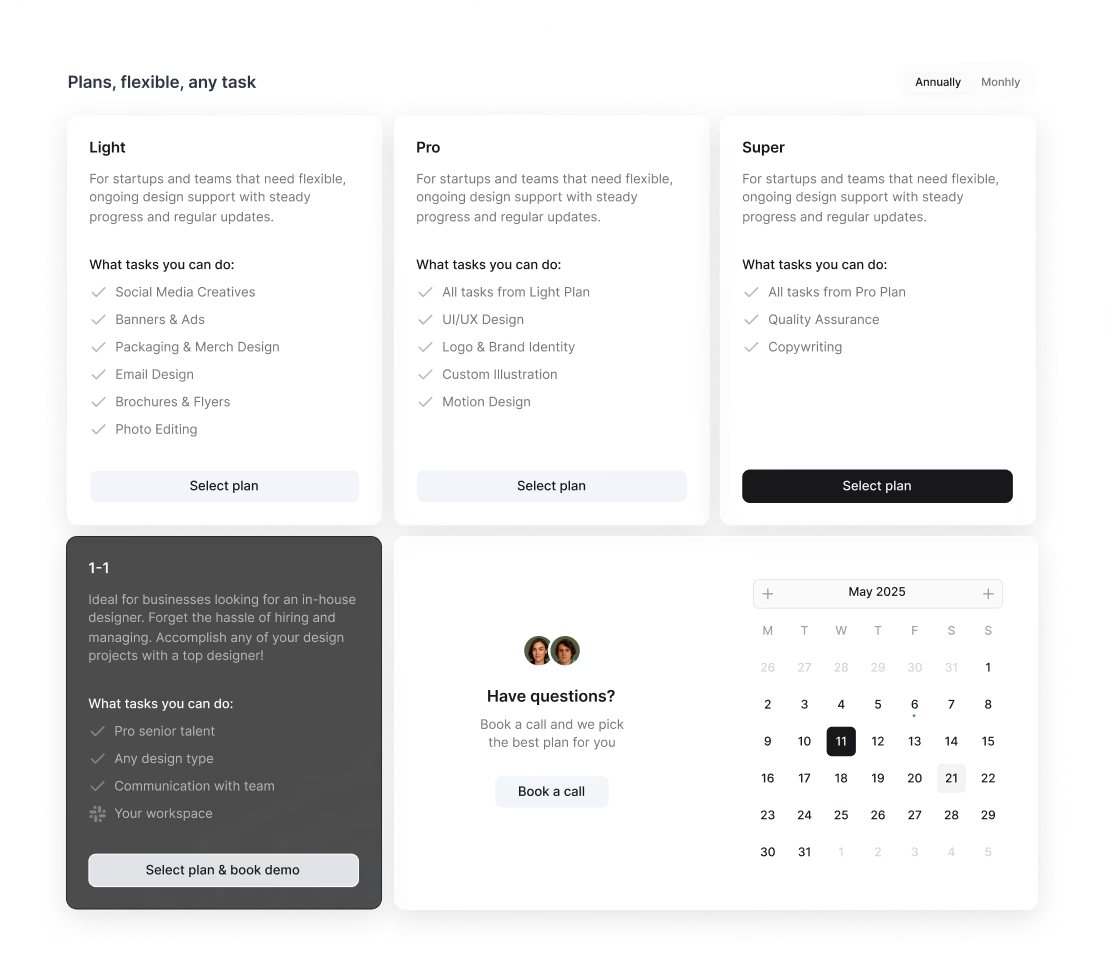
At Awesomic, we offer transparent subscription pricing starting with our All-in-One plan at $2,995/month for a flexible part-time team covering all design, Webflow, copywriting, QA, and marketing, a 1–1 Plan featuring a dedicated full-time specialist plus PM from around $5k/month, and Awesomic Studio providing AI landing pages starting at $500—this way, your defense tech company can avoid surprises and have clear monthly costs. Subscriptions include unlimited revisions and quick turnarounds, adding great value compared to hourly freelance billing.
Where can you find the right defense tech designer?
Finding a qualified defense tech designer can feel overwhelming, but here are the best places to look:
- Specialized job boards like ClearanceJobs or Dice, filtering for defense tech roles
- Professional groups like the Human Factors and Ergonomics Society (HFES) defense chapters
- LinkedIn groups focused on defense UX/UI design
- Referrals from defense industry networks or existing contractors
- Online freelance marketplaces with security-cleared professionals and defense-focused staffing agencies
- Industry conferences such as AUSA or NDIA meetings, where top talent gathers
Remember to verify security clearance status early—it's crucial in defense work.
To save time, consider using our platform, Awesomic. We have a vetted talent network of defense designers pre-screened for skills and communication. Awesomic matches your project needs directly to qualified designers and even offers easy talent rematching if needed. This approach dramatically reduces the effort and risk of finding the right defense tech designer.
How do you evaluate a defense tech designer’s portfolio?
A great portfolio shows more than beautiful visuals. When evaluating, focus on these key points:
- Problem-solving ability: Look for case studies that explain the challenges and how the designer solved them.
- Design rationale: Clear explanations of decisions show thoughtful work.
- Real-world defense relevance: Evidence of user research, persona creation, iterative design, and compliance with defense standards.
- Outcomes: Look for results like improved efficiency, fewer user errors, and smooth integration into defense systems.
- Communication: Portfolios that explain designs clearly and show collaboration with engineers or military end-users.
Ask for references or direct examples if possible.
Awesomic vets all our talents rigorously. They must pass portfolio reviews, test tasks, and community approvals. This vetting ensures high quality and reliability. You can also preview case studies and portfolios on our platform, helping you choose the best defense tech designer faster.
What questions should you ask before hiring?
Before you dive in, asking the right questions helps you find someone who truly fits your needs. Here are some practical questions:
- What’s your experience with defense technology projects and do you hold any security clearances?
- How do you balance ease of use with strict security protocols in your designs?
- Can you share an example of a tough defense UX problem you solved?
- Which design tools and frameworks do you prefer and why?
- How do you incorporate feedback from field operators into your workflow?
- Describe a situation where you collaborated with engineers under tight deadlines.
- How do you keep up with defense industry standards and compliance rules?
- What experience do you have with prototyping tactical interfaces or HMIs?
- How do you prefer to communicate and manage feedback with your team?
On our platform, Awesomic, designers usually have strong communication skills and adapt well to feedback through daily updates, Slack, or video calls. Plus, if the match isn’t perfect initially, switching talent is easy—saving you from long-term mismatches.
How do you work successfully with a defense tech designer?
A good start sets the tone for success. Here’s how to work well together:
- Provide a clear project scope and access to all relevant documentation, including user personas.
- Handle security clearance processing promptly if needed.
- Set up regular feedback loops, design reviews, and involve the designer in daily standups or Agile ceremonies.
- Set realistic timelines allowing for testing and iterations.
- Use collaboration tools like Jira, Confluence, or Microsoft Teams to track progress and communication.
- Clarify expectations about confidentiality, intellectual property, and defense regulations.
- Promote open dialogue for problem-solving and provide timely, constructive feedback.
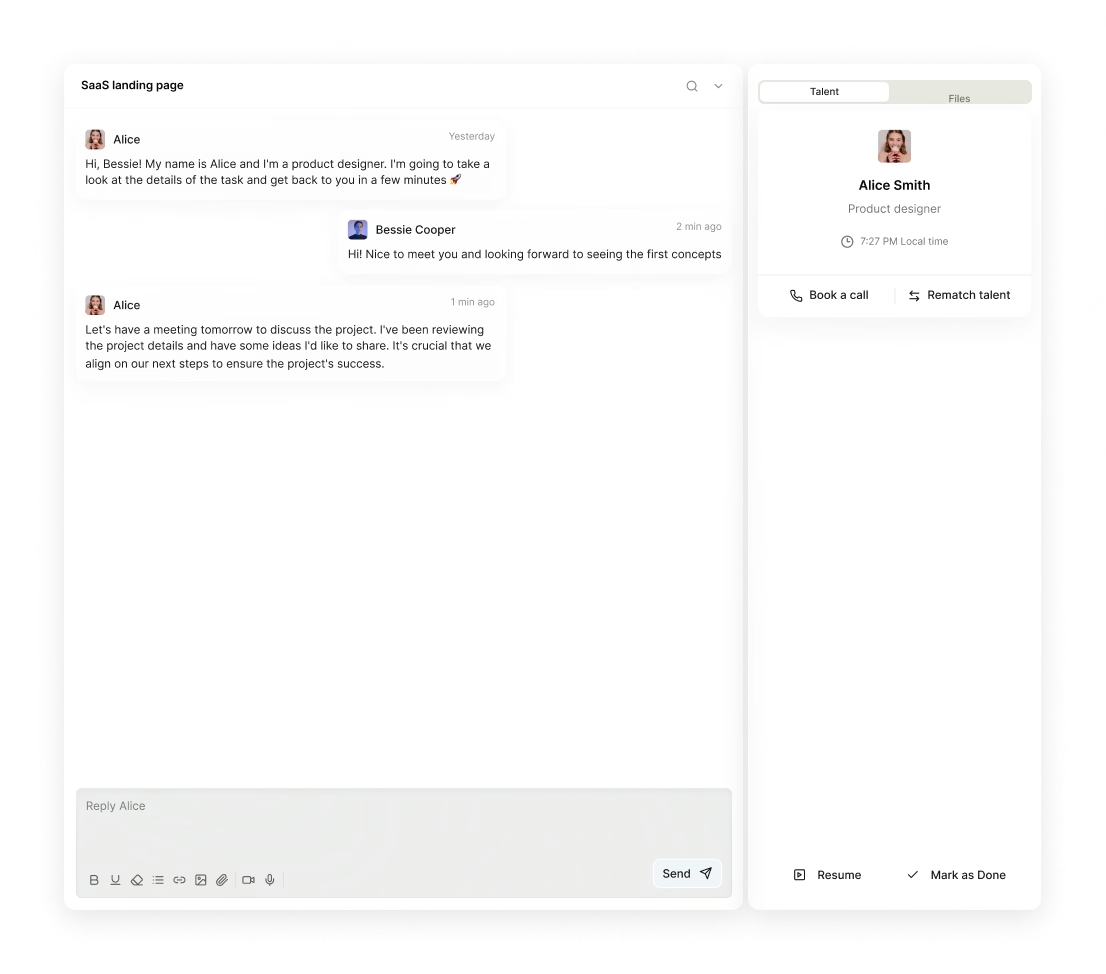
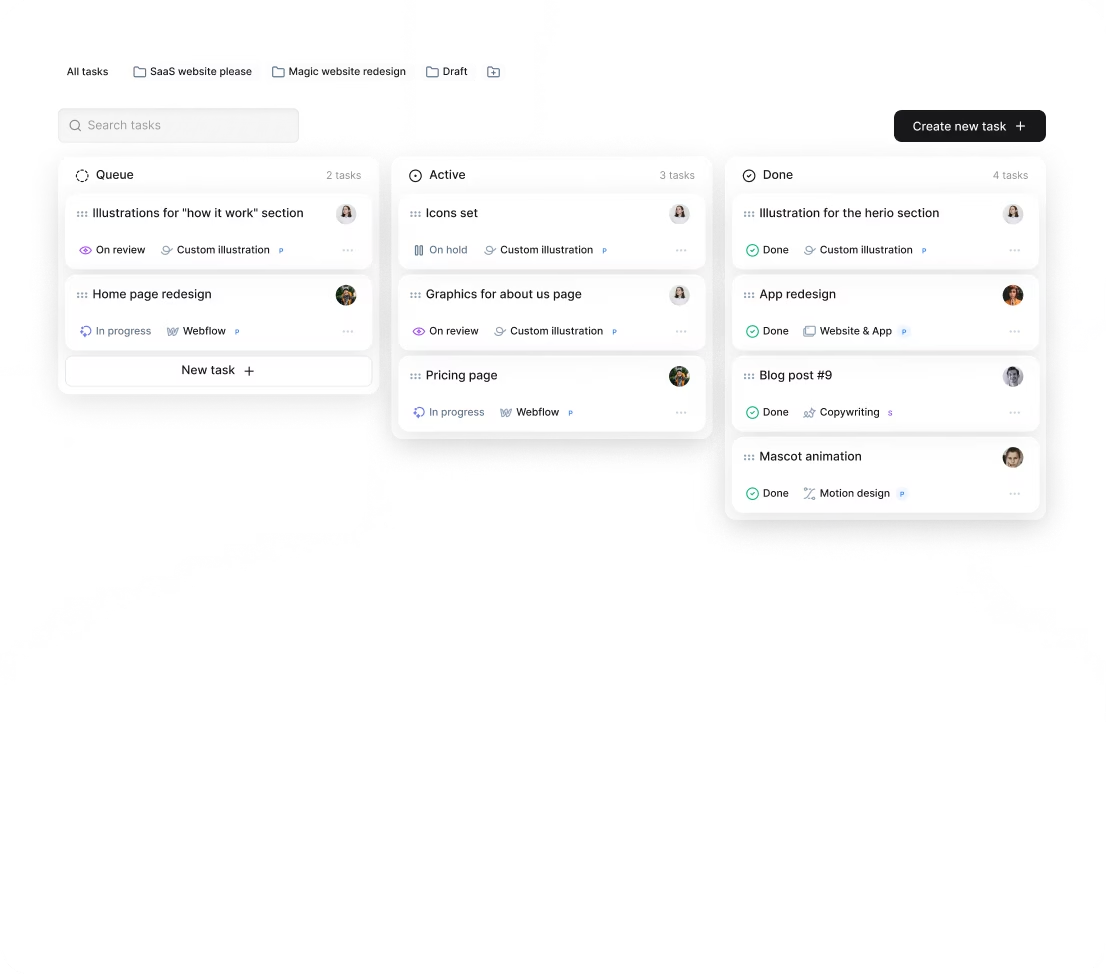
Awesomic supports this process by managing tasks and updates within the platform. Our system provides daily progress reports and unlimited revisions, helping keep the design aligned with your evolving needs without extra admin burden.
How do you know you hired the right defense tech designer?
How do you measure success after hiring? Look for these signs:
- Deliveries of user-centered designs that meet specs on time and on budget
- Positive feedback from end users backed by usability metrics or field reports
- Seamless teamwork with engineers and project managers
- Measurable improvements like fewer user errors and better task efficiency
- Compliance with defense standards throughout the process
- Ability to adapt to changing project needs and iterate designs successfully
As your project grows, you may want to scale your design engagement or move from contract to full-time. Our platform, Awesomic, makes scaling up or down simple with subscription flexibility. The unlimited revisions feature means you can refine designs until everything fits perfectly.
Our clients often share how fast turnarounds and great communication on Awesomic have helped them get the right defense tech designer without the usual hassle. This proves the value of our approach for defense tech companies looking to hire a defense tech designer the smart way.


