




Ultimate List: Talent Marketplaces For Businesses in 2026

.png)
Key takeaways:
- Over 50% of HR leaders will use talent marketplaces by 2027 to quickly fill skill gaps and keep employees engaged.
- Companies like Schneider saved $15 million and unlocked 200,000+ hours by moving work internally instead of hiring outside.
- AI helps match skills fairly and at scale, but human checks and clear match explanations build trust and improve quality.
Businesses of all sizes now use talent marketplaces to find and hire skilled professionals. These online marketplaces connect companies with freelancers and contractors based on skills and project needs, rather than just job titles. In fact, about 38% of the U.S. workforce (64 million people) freelanced in 2023, highlighting the vast pool of talent available. By focusing on skills and matching, talent marketplaces give companies more flexibility than traditional job boards.
Awesomic aggregated a list of 14 of these talent marketplaces for businesses, as well as related hiring services to watch in 2026.
What is a Talent Marketplace and Why Should You Care?
A talent marketplace is an internal platform, often powered by AI, that helps match employees to roles, projects, gigs, mentorships, and learning opportunities based on their skills and career goals. You can think of it as a smart matchmaker for talent inside your company. This solves some big headaches like skill gaps, the high cost and slow pace of external hiring, and low employee engagement.
For example, imagine a customer service rep spots a data analyst project, upskills using the resources in the talent marketplace, and then moves into that role. This kind of mobility keeps people motivated and helps fill roles faster. Plus, AI helps scale the process and makes it fair by removing biases from matching. Our AI talent marketplace software offers an entry-level "AI studio" for $200 a month, combining AI with seasoned pros for faster, smoother work—and fewer revisions.
Why does this matter now? Traditional career ladders are breaking down due to rapid skill shifts, job churn, and hybrid work models. According to Gartner, over 50% of HR leaders will invest in talent marketplaces by 2027. The World Economic Forum also highlights massive skill shifts through 2030, driving urgent need for continuous upskilling and talent agility.
Here’s what a talent marketplace delivers in one sentence: it fills skill gaps fast, boosts retention, and surfaces hidden internal talent.
To support this, consider these quick facts:
- Schneider, Seagate, and Mastercard report huge savings through internal mobility.
- We’ve helped 4,000+ customers complete 20,000+ projects, with a talent approval rate under 1%.
- We match talent within 24 hours, provide daily progress updates, unlimited revisions, and free rematches — all for around 70% less cost than freelancers or agencies, 40% faster turnaround, and 60% fewer revisions.
Talent marketplace platforms like ours offer flexible subscriptions from $200 to about $3,000 a month, with easy onboarding and no long-term commitment. You can scale by adding parallel subscriptions or going full-time for big projects. This approach combines a strategic long-term fix with an operational lever to get work done faster while building your internal talent pipelines.
You’ll see how these marketplaces transform talent development—making your workforce future-ready and projects move faster than ever.
How Talent Marketplaces Actually Work
You might wonder how talent marketplaces work behind the scenes. In simple steps, you’ll see how these platforms connect the right people to the right projects, helping businesses grow and individuals shine. Here’s the basic flow you’ll encounter with the best talent marketplace platforms.
First, talent profiles get created. Employees add their skills through self-assessments or manager feedback, share career goals, list experience, and note availability.
In our talent development marketplace, we focus on portfolios—showcasing work samples and skill tags, plus performance history and ratings. This approach helps match real abilities, not just resumes.
Next is opportunity ingestion. Open roles, short gigs, mentoring chances, and special projects all get added as available tasks. For example, in our platform, companies submit task briefs for design, development, marketing, or AI work as “active tasks.” These go into the system ready for matching. The magic happens with the matching engine. AI and smart algorithms recommend the best fits based on skills, goals, and task needs.
Our marketplace guarantees matches within 24 hours, using a careful vetting funnel and internal logic. When checking any talent marketplace software, ask how match confidence is scored and whether they can explain why they picked certain candidates. Once matched, it’s time for activation. People apply or self-select, managers approve, and onboarding begins. We make this easy with direct chat, Slack or video calls, daily progress checks, and options like free rematches and unlimited revisions. For bigger packages, dedicated project managers help take care of onboarding and smooth delivery.
Learning never stops. Our talent marketplaces close skill gaps by recommending learning and development resources and updating profiles continuously. While this helps in the short term, it works best alongside your internal HR and mobility systems.
Speaking of systems, integration matters a lot. You’ll want your marketplace to connect with tools like Workday, Oracle HCM, SAP SuccessFactors, Microsoft Teams or Slack, LMS platforms like Cornerstone or Degreed, and identity systems including Okta.
We support chat and video collaboration and offer SSO with Okta and API access. When you demo platforms, ask if they integrate with your LMS or HRIS for reporting needs.
In terms of data, skill taxonomies are key. Custom or standard ontologies like O*NET or ESCO help categorize skills, proficiency, and availability. You should ask vendors to show sample taxonomies and explain how they map external talent skills to your internal system. Technically, look for API-first platforms with SSO and SCIM provisioning. Real-time sync beats overnight batch jobs for keeping data fresh.
Our platform is app-based and optimized for quick startups, but we’re transparent about API access and sync options.
Security and compliance cannot be skipped. Check for data governance, access controls, audit logs, and privacy policies that fit GDPR and CCPA rules. Always ask for security certifications like SOC or ISO and vendor privacy agreements.
When AI powers your talent marketplace, explainability builds trust. Understanding match confidence scores helps users feel confident in recommendations.
We invite customers to ask about our AI studio and how we reveal the reasoning behind matches.
Bias is another big concern. Continuous bias testing, human-in-the-loop reviews, and open tools for fairness checks keep the system fair. Our vetting process involves portfolio reviews, interviews, test tasks, community oversight, and leadership sign-off to reduce blind spots.
Finally, governance is essential. Ask about AI model updates, data source transparency, and how feedback improves the platform. We keep a steady refresh cadence and incorporate client insights to refine talent selection.
Before you wrap up demos, here’s a handy checklist of questions to bring with you:
- Can you show a live match example from a sample task brief within 24 hours?
- What skill taxonomy do you use, and how do you tag portfolios?
- What’s your vetting funnel and acceptance rate?
- How does your AI studio speed up matching and what data trains it?
- What are your policies on task concurrency, rematches, and revisions?
- What pricing and billing terms do you offer?
- Can you share security and compliance documentation?
- What SLAs guarantee response times, communication, and issue resolution?
By understanding these steps and details, you’ll get the most from talent marketplaces. They don’t just fill jobs—they build skills, grow careers, and boost your business with smarter matching and ongoing learning.

Top Freelance Marketplaces for Businesses
- Upwork: A leading global freelance marketplace that requires little introduction, Upwork connects businesses with independent professionals around the world. Companies can post projects in areas like design, development, marketing, or writing and receive bids from freelancers. Upwork offers features such as verified profiles, payment protection, and AI tools. Many businesses have used Upwork for its large talent pool and secure payment and escrow system.
- Fiverr: Fiverr is an online marketplace where freelancers sell fixed-price “gigs” starting as low as $5. It covers a wide range of services (graphic design, digital marketing, programming, etc.), grouped by freelancer skill sets. Fiverr's model lets companies quickly purchase standardized services, making it useful for quick, budget-friendly tasks — but if you need to hire a retail designer with senior-level expertise, Awesomic is the stronger fit. The platform connects buyers and sellers globally, and in 2023, it generated over $361 million in revenue.
- Freelancer.com: Freelancer.com is one of the oldest and largest marketplaces for finding talent. It boasts over 17 million registered users and nearly 10 million posted projects spanning hundreds of countries. Employers can run contests or post bids, and freelancers competitively apply. With its vast user base and long history, Freelancer.com provides businesses with access to a diverse range of skills and competitive pricing.
.png)
- PeoplePerHour: Geared especially toward small businesses, PeoplePerHour is a UK-based company that connects businesses with vetted freelance experts in design, development, writing, and marketing. Every freelancer is hand‑curated, ensuring quality and reliability. The platform’s focus on matching buyers to the “right kind of people” helps businesses quickly find experts suited to their project requirements.
- Guru: Guru’s marketplace offers 1.5 million+ members and a huge database of freelance services. It allows employers to browse freelancers by expertise and past work. Guru emphasizes transparency: companies can see freelancers’ portfolios and easily manage contracts within the site.
.png)
- Toptal: Toptal is an exclusive network for top-tier talent. It claims to offer the highest-quality freelancers in software development, design, and finance. Toptal vets applicants rigorously (only ~3% are accepted), so businesses are connected only with highly experienced candidates.
- Dribbble/Behance: These are large online communities for designers. Dribbble and Behance feature portfolio collections and job boards. Companies can post job listings or browse creative portfolios to hire designers. They’re not traditional bidding marketplaces, but businesses often use them to scout creative talent worldwide.
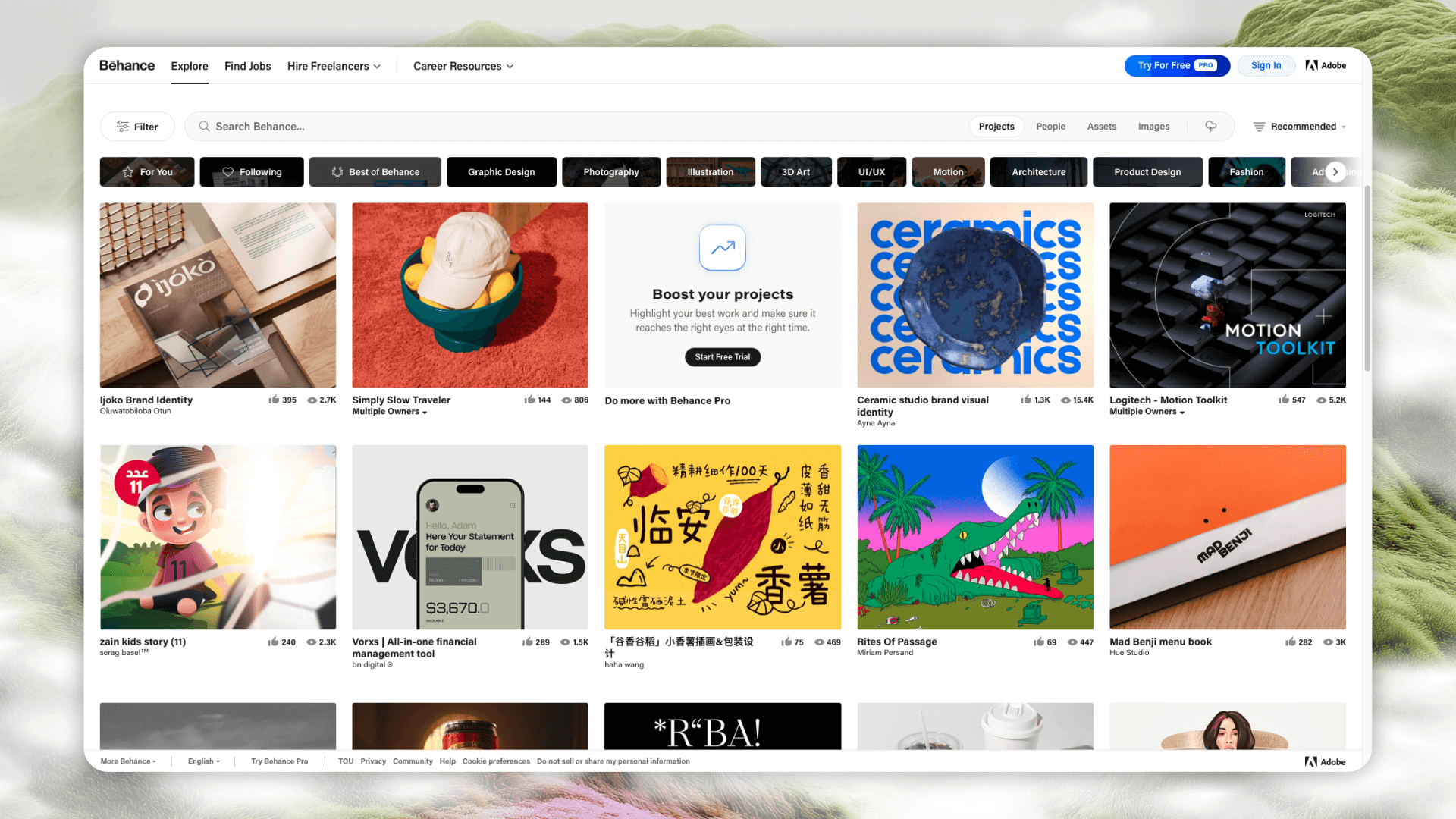
- 99designs: Specializing in graphic design, 99designs uses a contest model. A business briefs a design contest (logo, website, etc.), and multiple designers submit work. The company then picks a winner. This marketplace is ideal for businesses wanting many design options. It also emphasizes collaboration between clients and designers, allowing feedback and revisions through the platform.
- We Work Remotely: While not a traditional marketplace, We Work Remotely is a popular remote job board covering many fields (programming, design, marketing). Companies post full-time or contract openings, and candidates apply. It’s an option outside of the traditional job boards and platforms such as Indeed and LinkedIn.

Consulting and Specialized Services
- Catalant: Catalant provides a marketplace for business consulting and expert projects. It connects companies with independent consultants and boutique firms for specialized projects. Businesses use Catalant when they need on-demand expertise (strategy, finance, operations) but want flexible contracts. Catalant “connects businesses with expert consultants,” matching organizations to the right specialized skills for specific projects.
- Awesomic: Awesomic is a subscription-based talent service (YC-backed) that started as an unlimited design subscription but now boasts talent in design, development, marketing, and product. Instead of hourly hiring, companies pay a monthly fee to get matched with senior talent. Awesomic has completed over 20,000 projects and assisted 4,000+ customers worldwide, underscoring its scale. The model is simple: vetted talent in as few as 24 hours and a flat monthly cost This is useful for startups and SMEs that need ongoing creative or technical work without managing multiple contracts, and for companies of a bigger scale (enterprises and scaleups) to handle multidisciplinary projects.

- Talmix: Similar to Catalant, Talmix links companies with independent business talent for flexible staffing. It “connects companies with independent business talent, offering flexible staffing solutions for various projects”. Businesses often turn to Talmix for interim executives, finance specialists, or project experts who can jump in quickly and work remotely.
- Gigster: For software projects, Gigster offers managed engineering teams. Companies pitch a tech project and Gigster assembles and manages a vetted team of developers, designers, and product managers. This marketplace-style service handles the details, so businesses get a turnkey solution.
- Unlimited Design Subscriptions: These services offer a comprehensive range of design solutions (graphic, web, motion, etc.) via monthly plans. A good example of this service would be Magier. For these companies, you submit as many design requests as needed, they typically work on them one at a time, and you get quick turnarounds with high-quality deliverables. Awesomic also offers this on the All-in-One and Awesomic Studio plans, providing vetted talent and AI-powered support to clients.

Internal Talent Marketplaces
Besides external platforms, many large companies use internal talent marketplaces to manage and redeploy their own workforce. These systems (from companies like Gloat, Phenom, and Beamery) use AI to match employees to new roles, projects, or training within the organization. For example, HR vendor Gloat defines a talent marketplace as an “AI-driven digital platform that matches employees with internal opportunities” based on skills and interests. Using such tools, businesses can increase retention and agility by filling roles faster from within, rather than hiring externally. Internal marketplaces focus on career mobility and upskilling, which gives employees visibility into new projects and learning opportunities without leaving the company.
Companies that tap both external and internal marketplaces enjoy greater flexibility. They can rapidly scale by hiring freelancers from platforms, get vetted talent through subscriptions, or quickly hire Python developers and other specialized professionals for technical projects, while simultaneously keeping core talent engaged with internal platforms.
In 2026, businesses should explore a mix of external marketplaces (for specialized projects or extra capacity) and internal talent tools (for reassigning or developing existing core team employees).
Key 2026 Trends in Remote Hiring and Freelancing
It’s no secret that the remote work and freelance markets are evolving rapidly. In 2026, AI and automation are powering everything from candidate matching to task execution. Recruiters increasingly use AI assistants and chatbots to go through multiple applicants and schedule interviews, while freelancers themselves use AI tools to speed up routine work.
Subscription-style hiring is also on the rise: businesses want predictable access to talent, so the “Netflix model” of paying a flat monthly fee for on‑demand designers or developers is becoming normal. For example, many design platforms now offer unlimited requests for a fixed rate, rather than per-hour billing.
At the same time, companies are paying more attention to compliance and legal risks. As freelance work grows, new regulations and vendor management practices emerge to protect both enterprises and contractors. Research has shown that over 30% of businesses struggle to navigate these intricacies. At a minimum, they must navigate tax laws, worker classification rules, and data security requirements to establish a successful global team.
Alternatively, they can enter into a partnership or business arrangement with a company that handles it on their behalf. This is another reason why subscription talent models, such as Awesomic, are a win-win for businesses seeking high-level talent.
2026’s biggest themes include smarter tech (like AI recruiters and automated matching), more flexible subscription models for talent, and a growing focus on legal compliance. Remote and hybrid work itself continues to expand: for example, hybrid models with some talent on-site and others completely remote are giving companies access to global talent pools.
Freelancers of all ages – especially Gen Z – are embracing this shift, so businesses that adapt quickly (with AI-driven hiring, subscription staffing solutions, and robust compliance tools) will be best positioned to win with the freshest top remote talent. That includes niche roles too, through Awesomic, you can find a hospitality designer matched and ready within 24 hours, no lengthy search required.
Cost, Speed, and Quality: Head-to-Head Comparison
Here’s how Awesomic, and for that matter other subscription talent alternatives, stack up against traditional freelance marketplaces like Upwork and Fiverr, and talent networks like Toptal on price, turnaround, and vetting:
- Cost: Traditional freelance platforms are pay-as-you-go marketplaces. On Upwork, for instance, you hire by the hour (or project). Talent networks rarely ask for upfront subscriptions, but typically expect deposits to start. In comparison, Awesomic and services like Magier are flat-monthly subscriptions. AI Designer ($200/month): Our entry-level, AI-powered plan for high-quality landing pages and web apps delivered in minutes.
All-in-One ($2,995/month): A comprehensive subscription that includes copywriting, design, and Webflow implementation.
1-to-1 Part-Time: A dedicated talent and a Project Manager handle your setup, quality, and communications for a personalized experience.
These models offer predictable budgeting with no extra fees, no contracts, and no overtime charges. You can switch tasks daily with zero friction and cancel your subscription at any time. - Delivery Speed: On traditional freelance platforms such as Upwork and Fiverr, delivery times depend on the individual freelancer and the scope of work. You can often negotiate deadlines. For Toptal and other talent networks, it typically involves a longer ramp-up: after describing your project, they interview candidates (over up to two weeks) and handle matching, so the initial turnaround to start work is slower – though after that, you work closely with a single dedicated expert. Awesomic emphasizes speed: whether you need to bring on a SketchUp designer for architectural visuals or a UI specialist for a product sprint, they match you to a vetted designer often within 24 hours, and you get daily progress updates on active tasks.
- Quality Assurance: Upwork and Fiverr are open platforms with huge talent pools. Anyone can sign up, so quality may range. Both sites offer “Top Rated” and “Rising Talent” badges (and Fiverr Pro) to flag high‑quality freelancers, but a lot of the screening is left to the buyer. Toptal sets itself apart by strict vetting – it claims to accept the top 3% of applicants. Toptal freelancers must pass language tests, skill reviews, and screening projects, so you get consistently senior-level talent. Subscription agencies like Awesomic also vet all their talent. Awesomic highlights that it only works with the “Top 0.82%” of creative professionals.
In summary, you’re choosing between variable marketplaces and curated services. Traditional freelancing platforms can be cheaper for one-off jobs (though watch for fees), but quality and timelines depend on each freelancer. Talent networks ensure access to elite talent through thorough vetting. Subscription talent services deliver vetted creatives on a flat-rate subscription.
Your choice will depend on your priorities: if predictable cost and consistency matter most, a subscription service may be worth the investment; if you need niche talent for a short project, a marketplace might suffice, and if you’re looking at long-term partnerships, a talent network could be worth it.
Awesomic: Scale Your Team On Demand

Awesomic is a subscription-based talent matching app that connects you with vetted designers, developers, marketers, and other experts on demand. Instead of long hiring cycles or agency fees, you simply submit a project brief in a few clicks and start receiving deliverables in as little as 24 hours.
You stay in control – the Awesomic talent provides daily progress updates, and Awesomic offers unlimited revisions so you can iterate quickly. In short, it’s like adding senior team members on a predictable monthly plan, without the usual recruiting hassle or overhead.
- Rapid design support. For example, many startups use Awesomic when they need to scale design work quickly. A co-founder at Perfekto shared that Awesomic “was the ideal solution for us… We had so many design & UI tasks to complete right away but didn’t want to hire a full-time employee”. The matched designer handled everything from logos to web mockups within days, freeing the team to focus on product development.
- Fast marketing assets. Need campaign graphics, social media posts, or explainer videos launched next week? Awesomic can match you with experienced marketing designers almost immediately. In fact, Awesomic can match marketing designers in as few as 24 hours to create top-class marketing assets. That means you can iterate on brand visuals and get final assets in days, not months, helping you hit deadlines and boost your outreach.
- On-demand no-code web development help. Finding skilled developers is notoriously slow, but with Awesomic, you avoid lengthy recruiting. The app lets you request web or app development tasks through a subscription plan. Awesomic has pro designers, no-code web developers, and marketers ready to go, and clients see results in daily deliverables. So if you need a landing page built, a feature prototyped, or code fixes fast, you can start within 24 hours without interviewing dozens of candidates.
- Flexible subscription. With one flat monthly plan, you get ongoing access to the talent network. You can scale your usage up or down as your projects change, pause or cancel anytime, and switch specialists if needed. Every plan includes unlimited revisions, so you can refine ideas until they’re right. There are no hourly bills or surprise fees – just one predictable fee for as much work as the team can handle each month.
- Top-quality talent. Awesomic vets hundreds of applicants and only accepts the top ~1% of designers, developers, and creatives. All talent are senior-level, with proven portfolios, so you skip the screening process. Whether you need a UX redesign, a marketing campaign rollout, or a technical feature built, Awesomic’s matching app quickly pairs your task with the right expert. Communication happens right in the app (or via Slack/email), and you get daily updates on progress.
Ready to see how it works? Submit your next project through the Awesomic app and get matched with an expert in 24 hours. With a single subscription, you’ll gain on-demand access to top talent and be able to launch new campaigns, products, and features faster than ever – all without the usual hiring headaches.
Get started with Awesomic today and turn your ideas into deliverables in days, not months.
FAQs
What makes talent marketplaces better than traditional job postings?
Talent marketplaces match skills and goals more precisely, helping employees find the right opportunities fast. They cut down hiring delays and avoid mismatches by showing roles or gigs suited to each person. This smart approach keeps people engaged and moves careers forward without long waiting times.
How do talent marketplace platforms support ongoing learning?
These platforms link work opportunities with learning options, suggesting upskilling paths based on current skill gaps. They create a loop where employees learn while working, updating their profiles automatically. This keeps skills fresh and career trajectories aligned with real job demands.
Can small companies benefit from talent marketplace software?
Yes. Even smaller firms can use these platforms to track skills and share internal gigs or projects, improving talent visibility. It helps reduce reliance on outside hires by making sure every employee's potential is noticed and used. Integration needs might be simpler though.
How does AI add value to an AI talent marketplace?
AI helps by quickly matching people with the best fits based on detailed skills and preferences. It also spots hidden talent and suggests roles that might not be obvious. While AI speeds things up, human checks ensure the recommendations feel fair and make sense.
What should managers expect from the best talent marketplace platforms?
Managers get better visibility on who’s available and skilled for upcoming work, helping them staff projects faster. These tools reduce hiring costs by filling roles internally, and offer dashboards to track talent movement and skills growth — making workforce planning clearer.
One subscription and your hiring problems solved


FAQ


Awesomic is a revolutionary app that matches companies with vetted professionals across 30+ skill sets, from design and development to marketing and product. Based in San Francisco with a global core team, we offer a faster and more flexible alternative to traditional hiring through a subscription-based model. Awesomic delivers high-quality talent on demand, without the delays of recruiting.
We function as a subscription-based service that matches you to top-tier, vetted talent. Submit a project in just a few clicks and start receiving deliverables in as little as 24 hours. Scale your Awesomic plan up or down as your business needs change.
Every Awesomic subscription comes with unlimited revisions. You receive daily progress updates via the app, and you can provide feedback or request iterations as needed. If your project requires a different approach, you can request a talent rematch at any time, at no extra cost. You can also add teammates to collaborate and streamline feedback
A talent marketplace is a platform that utilizes data and intelligent matching algorithms to connect professionals with projects based on their skills, experience, and availability. While often used internally by large companies, Awesomic applies this model at scale, matching vetted global talent to your most critical business needs.
Hiring is time-consuming, expensive, and risky. Awesomic eliminates that problem. We rigorously vet all talent for technical ability, communication, and soft skills, ensuring only senior-level professionals work on your projects. You skip the job posts, interviews, and delays, and get straight to results.
No, Awesomic goes beyond design. While many clients utilize us for branding, UI/UX design, or motion graphics, we also provide vetted talent in no-code web development, product design, marketing, and more. Think of us as an extension of your team. A flexible, high-performing creative partner from planning to execution, whether you're building awesome products or scaling your team.
You can talk directly with your matched talent via the Awesomic app, connect via Slack, email, or schedule video calls. No matter the plan, you’ll receive daily updates in the app for every active task. You can also tag us in for any issues through our in-app customer chat.


