Launch videos report

We analyzed 250+ launch videos so you don't have to

You have 3 seconds before user scrolls past your launch


We analyzed 250 launch videos from companies like Monday.com,  Perplexity, Asana, and top YC startups. Here is exactly what the data tells us about how to structure your next launch video.
91%
Bad video kills trust
Consumers say video quality directly impacts their trust in a brand, and poor quality actively damages perception.
73%
B2B buyers prefer demos
B2B decision-makers prefer to watch a product demo video rather than read your whitepapers, docs, or brochures.
Zebracat 2025
86%
The Hard ROI
Including a video on a landing page increases conversion rates. 84% report video delivers higher ROI than any other format.
Wyzowl

What we know from the data

We didn't guess. We tagged and categorized 250 of the highest-performing launch videos. Here are the macro trends you need to follow
Trend 1
The 90-second sweet spot
Most startups aim for just over a minute to pitch their product without losing the viewer.

Keep it punchy. If your video is pushing past the 90-second mark, you better have a compelling narrative or a complex product that justifies the time.

Trend 2
Getting straight to business
Most founders are choosing to skip the fluff and jump right into the UI.
Unless you have a genuinely funny skit, go straight into showing what the product actually does.
Direct to demo
Creative / Skit
Founder-Led
Trend 3
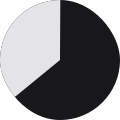
The live-action advantage
Despite the rise of incredible design tools, putting real human beings on camera remains the most dominant way to launch a product.
Feature live action
64%
Pure Animation / Motion Graphics
36%
Trend 4
The "Soft" Close
Surprisingly, hard sales pitches are rare.
Launch videos are for awareness, not necessarily hard conversions.

Passive (Logo, link...)
60%
Active Trial (Try, Download...)
25%
Sales Push (Book a demo...)
15%
Full launch video database
Stop guessing. Steal from the best. Want to see the exact intro formats, lengths, and styles of all 250 videos?

The hidden patterns

These showed up again and again across styles, industries and formats.
01
Compressed sales conversation
If you can’t explain the product in one sentence, the video will ramble.A launch video needs exactly 6 answers:
What is this?
What problem does it kill?
Why should I believe you?
Who is it for?
What changes now?
What should I do next?
02
Vision vs tool
If you can’t explain the product in one sentence, the video will ramble.A launch video needs exactly 6 answers:
  • 75% of Investment Announcements stretch past the 90-second mark and heavily feature Live Action / Founder-led intros. They aren't just selling software; they are selling the team and the vision to the market.
  • 68% of New Product & Feature Launches keep it tight under 90 seconds and lean on Animation / Direct to Demo. They optimize for speed to show exactly how the new tool solves an immediate problem.
Know your objective. If you just raised millions, put the founder on camera and tell a story. If you just shipped a new feature, skip the story and show the UI.
03
The "Skit tax"
If you can’t explain the product in one sentence, the video will ramble.A launch video needs exactly 6 answers:
  • If you choose a Creative / Skit intro, you are mathematically
    committing to a 61–90+ second video. It takes time to set up a joke, land the punchline, and transition to the UI.
  • If you only have 30 to 45 seconds of viewer attention, use the Direct to demo format.
04
Building trust
The industry you are in heavily dictates whether a founder needs to get on camera.
  • Health, Defense, & FinTech: Heavily lean into Founder-Led intros to establish authority, security, and humanize the brand.
  • Dev tools & no-code: Overwhelmingly use Direct to Demo. The software's pure utility matters more than the face behind it.
  • Consumer & general AI: Dominate the Creative / Skit category to capture short attention spans on social feeds.

Match your video format to your buyer’s psychology. If your product requires deep trust, put the founder on screen. If it's pure utility, show the UI immediately.

The 3 launch video archetypes

Across the sample, most videos fall into one of three creative directions: product-first clarity, founder-led trust, or creative pattern interruption.
1. Product-first motion
This is the classic problem-to-solution format. The video opens with a user pain point, a before-state, or a simple question, then quickly moves into the product as the answer. It is the most straightforward way to communicate value fast.
What it does well:
Clarity
Speed
Product understanding
Examples:
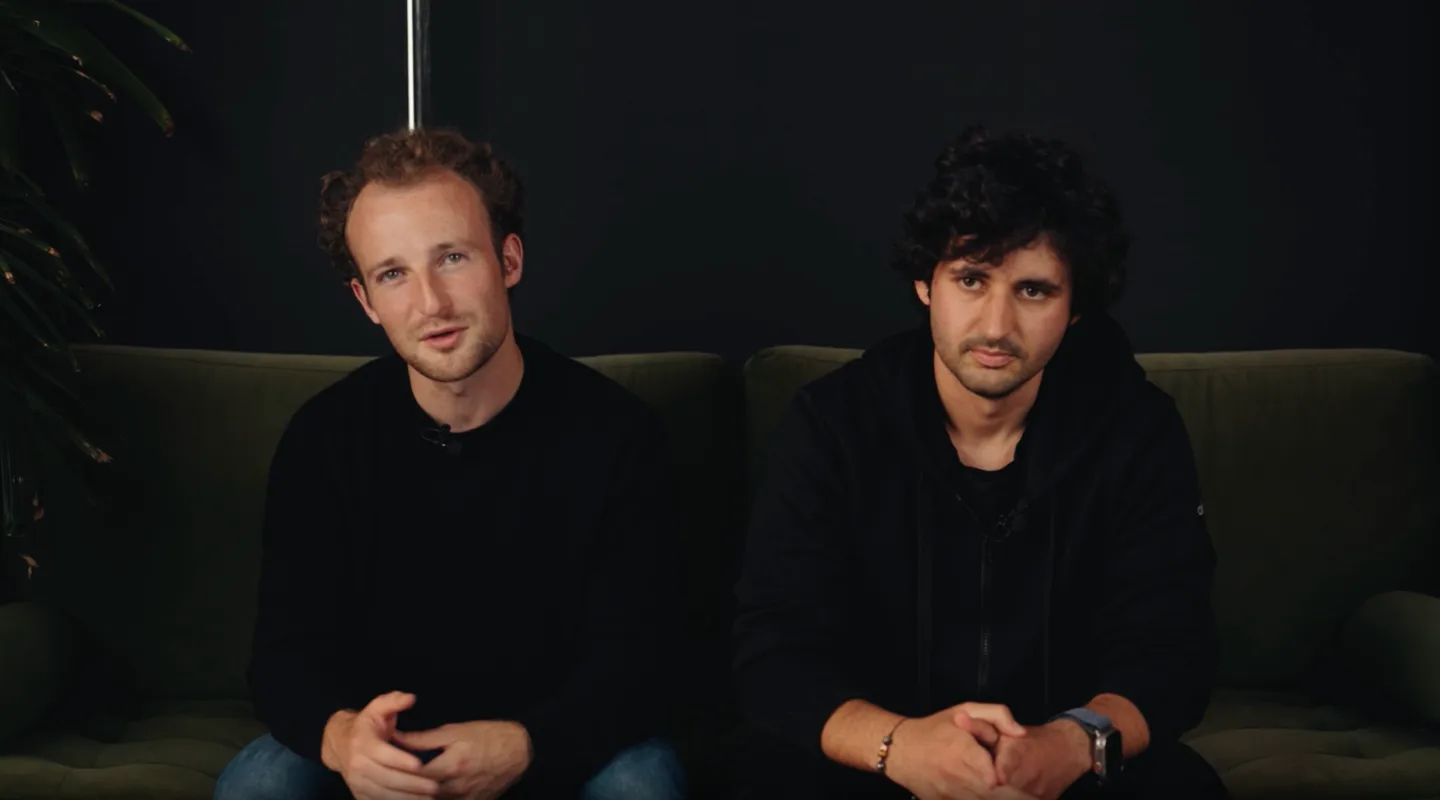
2. Founder-led trust
These videos combine a founder’s presence with a product demo, via talking-head footage, voiceover, or a live founder layer. The product is still important, but the real function of the format is trust: signaling there is a real person behind the product.
What it does well:
Credibility
Warmth
Human connection
Examples:
Cognition on X
Watch external
3. Creative pattern interrupt
These videos use story, humor, metaphor, or an unexpected opening to earn attention before they explain the product. The product often plays a supporting role at first. The goal is not immediate clarity — it is to stop the scroll.
What it does well:
Memorability
Surprise
Shareability
Examples:
Bland on X
Watch external
Wordware on X
Watch external
AviSchiffmann on X
Watch external

Average is dead

Because every startup is using the same tools to make the same videos, 'good enough' has become invisible. To stand out today, you must choose an extreme: either an absurd level of high-end craft, or a bold, pattern-interrupting creative swing

Two things show up repeatedly in the videos that get noticed.

Premium craft
When the motion design, pacing, and interface feel exceptionally polished, the video creates an aura of product quality. People do not only react to the product — they react to the level of execution.

TIP! Sound matters more than most teams think
Pattern interruption
When the first few seconds feel visually or structurally unexpected, the video has a much better chance of earning attention. In a feed full of similar SaaS launches, surprise becomes a distribution advantage.
20,000+ ideas became delivered projects
Launch video in 5 days
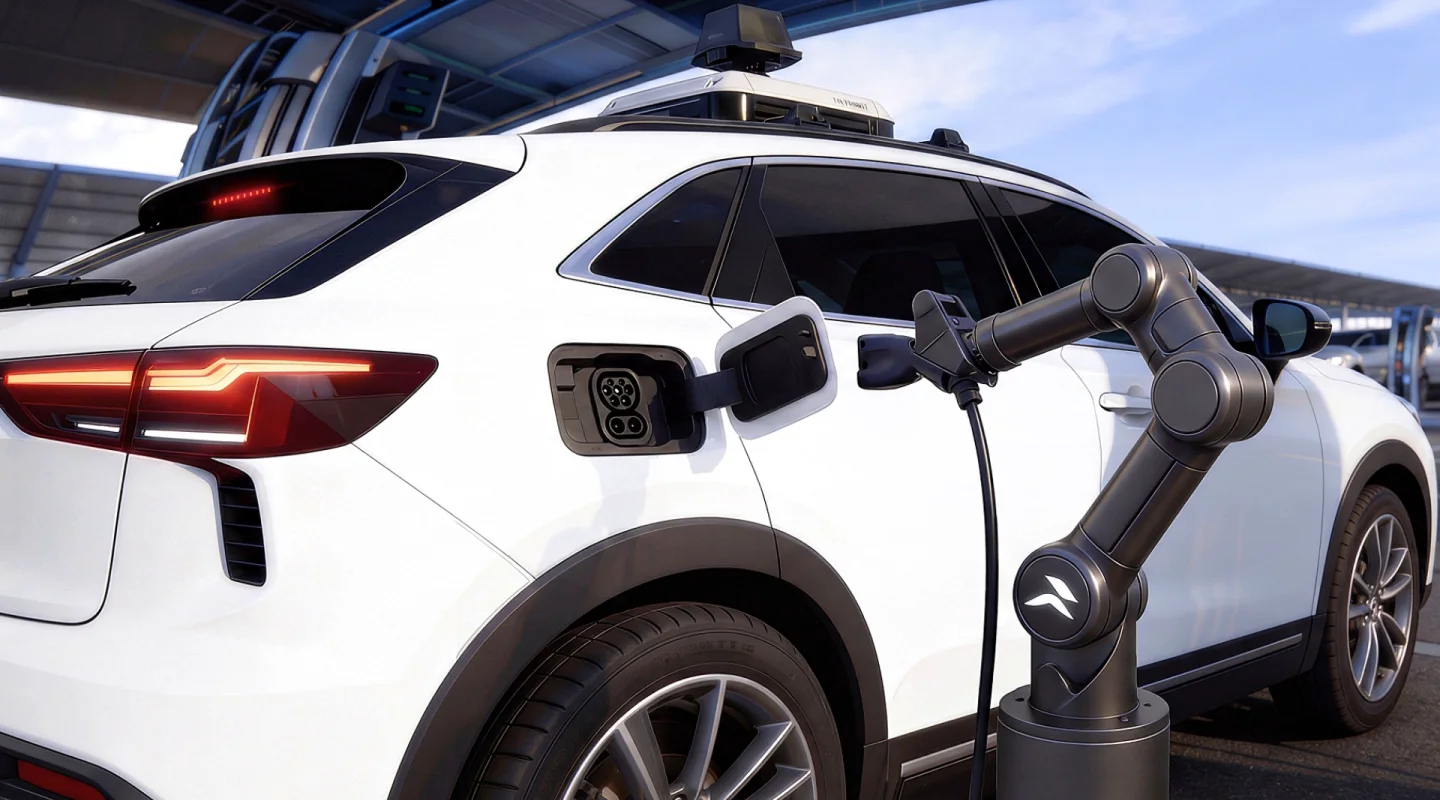
Robodock YC launch video
Launch video in 10 days
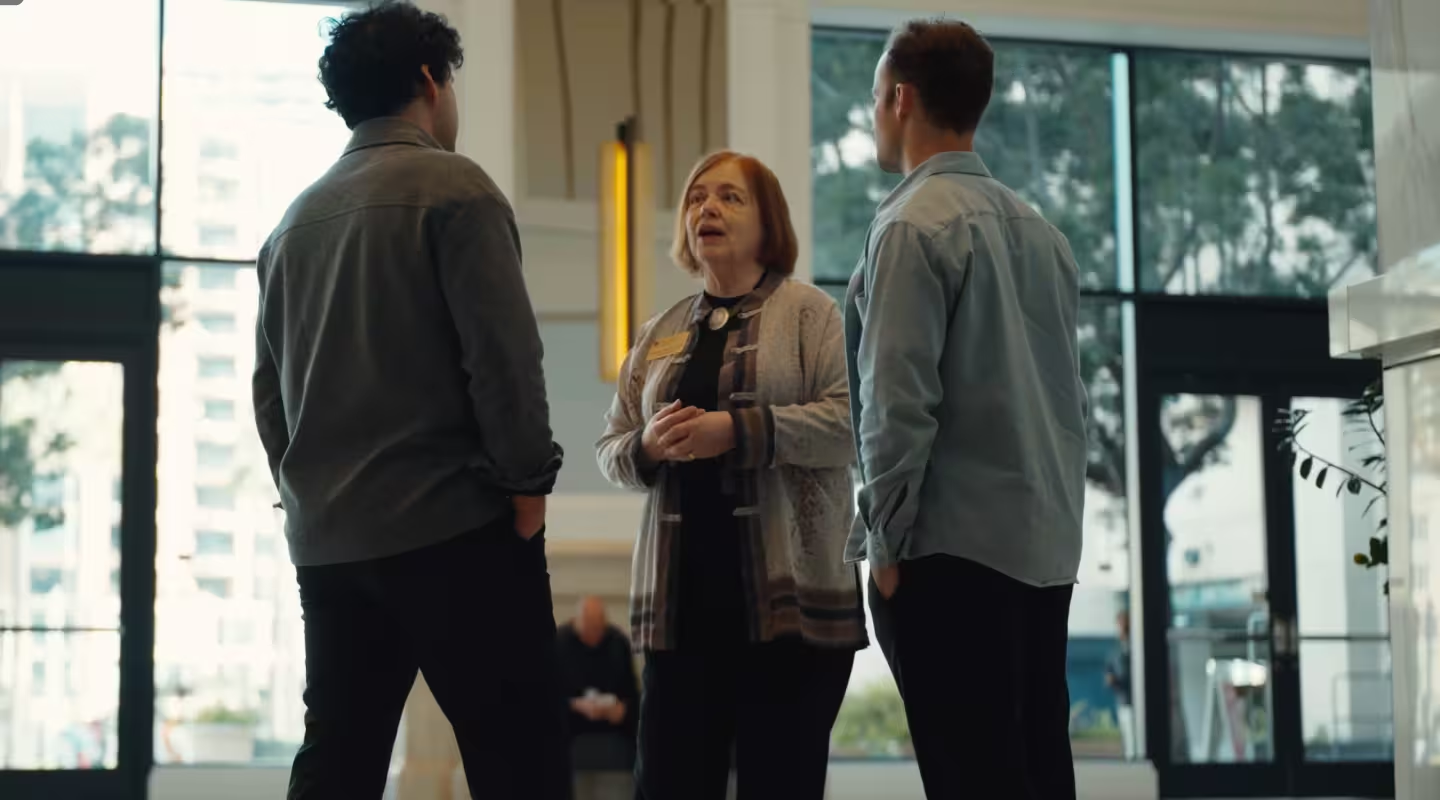
Vera Health ACEP video
AI launch video for Grep
Awesomic redesign video
PlayVision launch video
Vera Health launch video
Spart – 3D advertising video
Product explainer video

How to prepare for your launch video

Before you write a script, answer these exact questions. If you don't have these locked in, your video will fail – no matter how good the animation is
01
The objective, audience the ask
1.1 Who is the target audience for the video?
1.2 What is the singular goal?
Waitlist? Enterprise demos? Funding hype? Pick ONE
1.3 What is the exact Call to Action (CTA)?
What are they clicking when it fades to black?
02
The core message
2.1 What is the single biggest pain point?
How is the user doing this manually today?
2.2 Why does this matter right now?
Why should they stop scrolling today?
03
The proof & the product
3.1 What are the 2 to 3 absolute must-show features?
Do not list your whole roadmap. List only the killers
3.2 What hard proof must we show?
Do we have a G2 badge, a crazy ROI metric, or a notable integration to flash on screen?
04
The assets
4.1 Do we have clean UI vectors?
Do you have your actual Figma files ready to hand off, or are you expecting an animator to work with a blurry Loom video?

What 250 launch videos taught us

After watching 250 launch videos, the patterns became impossible to ignore. Your industry dictates your format.
Defense, HealthTech, FinTech
Put your founder on camera
These industries run on trust, authority, and security.
A human face does more than any animation.
Investment announcements
Give the vision breathing room
Investment announcements need breathing room. The vision, the traction, the bigger story. Give it more than 90 seconds.
Consumer brands
Creativity isn't optional
Consumer brands have to earn attention differently. B2C means creativity isn't optional — it's the whole game. Be bold, be weird, show your characters, make people feel something.
Product launches
Demos, not monologues
Product launches need demos, not monologues. Skip the talking heads. Show the product in action — clean UI, smooth animations, direct-to-demo. 30 to 60 seconds. That's it.
These patterns started repeating after video #100. Nobody had gathered this data before — not in one place, not with this lens. We tried asking AI to do it. It can't analyze video this way. This is handpicked, human-crafted research from a team   that actually watched every single one
Your launch video gets one shot
This report exists so you don't waste it.

Get your launch video mapped, animated, and delivered by top-tier  creatives

Thank you! Your submission has been received!
Oops! Something went wrong while submitting the form.

FAQ

Ask AI to summarize Awesomic
LinkedIn Link ImageFacebook Link ImageX (Twitter) Link Image
copy icon
Copy prompt & open Gemini
X (Twitter) Link Image
What is Awesomic?

Awesomic is a revolutionary app that matches companies with vetted professionals across 30+ skill sets, from design and development to marketing and product. Based in San Francisco with a global core team, we offer a faster and more flexible alternative to traditional hiring through a subscription-based model. Awesomic delivers high-quality talent on demand, without the delays of recruiting.

How does Awesomic work?

We function as a subscription-based service that matches you to top-tier, vetted talent. Submit a project in just a few clicks and start receiving deliverables in as little as 24 hours. Scale your Awesomic plan up or down as your business needs change.

How many revisions can I request for a project?

Every Awesomic subscription comes with unlimited revisions. You receive daily progress updates via the app, and you can provide feedback or request iterations as needed. If your project requires a different approach, you can request a talent rematch at any time, at no extra cost. You can also add teammates to collaborate and streamline feedback

What’s a talent marketplace?

A talent marketplace is a platform that utilizes data and intelligent matching algorithms to connect professionals with projects based on their skills, experience, and availability. While often used internally by large companies, Awesomic applies this model at scale, matching vetted global talent to your most critical business needs.

Why choose Awesomic over traditional hiring or freelancing platforms?

Hiring is time-consuming, expensive, and risky. Awesomic eliminates that problem. We rigorously vet all talent for technical ability, communication, and soft skills, ensuring only senior-level professionals work on your projects. You skip the job posts, interviews, and delays, and get straight to results.

Is Awesomic just a design subscription service?

No, Awesomic goes beyond design. While many clients utilize us for branding, UI/UX design, or motion graphics, we also provide vetted talent in no-code web development, product design, marketing, and more. Think of us as an extension of your team. A flexible, high-performing creative partner from planning to execution, whether you're building awesome products or scaling your team.

How does communication with Awesomic work?

You can talk directly with your matched talent via the Awesomic app, connect via Slack, email, or schedule video calls. No matter the plan, you’ll receive daily updates in the app for every active task. You can also tag us in for any issues through our in-app customer chat.

Still have questions?
Let’s talk — book a 15-minute intro call with our team
Book a call